Stability? That is what comes to mind when many think of rail work across India. Decades have passed, yet the image stays strong – respect, safety, lifelong support. In villages or crowded urban centres, parents nudge their children toward these roles early on. Right after finishing studies, preparation begins. Why so much interest? A clear reason exists: state protection, regular pay, care that lasts beyond working years.
Not every person suits a job on the rails. Odd shifts might show up just when life settles, while moving cities could follow without warning. Body strain often tags along with these roles, not to mention how rules shift like smoke. Still, some find steady ground here if they weigh what’s gained against what’s lost. Looking close at daily reality helps sort myth from fact. Choices made now echo later through routines, paychecks, sleep patterns. Real talk about Indian rail careers shows upsides mixed deep with hurdles. Seeing it plain makes space for honest thought.
Benefits of Working on Indian Railways

Stability stands out when you look at railway careers. Since Indian Railways runs under government support, landing a role there brings lasting peace of mind. After finishing the initial review phase, workers rarely face sudden exits. Market drops or financial hiccups hardly touch these positions. Most stay on board right up to their sixtieth year. That steady path makes it one choice many count on without second thoughts.
Stability often weighs heavier than quick pay raises when it comes to household priorities. Decades of steady earnings bring calm – particularly if your starting point was modest or tight financially.
A paycheck arrives each month without fail. Workers under the 7th Pay Commission follow clear wage rules. Starting roles, say track helpers or office staff, still bring steady earnings. Unlike many corporate posts where money sometimes comes late, here it lands regularly. Predictability matters when planning life around wages.
On top of base wages, workers get extra cash like cost-of-living support, travel money, along with a few added perks that lift their monthly earnings gradually. With yearly raises and occasional updates to wage scales, income climbs slowly, regardless of job level changes.
Free rides on trains – sometimes for family too – show up as one of the perks. Medical care through dedicated hospital services makes life easier when health dips. Workers might get a place to live or extra money toward rent instead. Even after leaving the job, some level of health support stays available. Pay is just the start; more comes alongside it.
Pensions bring extra stability once work ends. When someone retires, monthly payouts keep coming, together with medical care coverage. Though starting pay might look small, these lasting perks give rail careers solid worth over time.
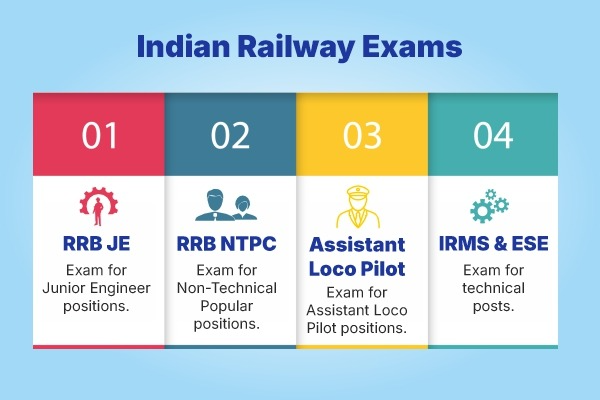
Jobs come in many shapes at Indian Railways, a giant among global employers. Think beyond tracks – piloting trains as an Assistant Loco Pilot or fixing systems as a Technician fits one path. Engineering minds step into positions like Junior Engineer. Then there’s paper, people, plans: Clerks keep records, Ticket Collectors manage entries, Station Masters run platforms, while Accounts Assistants handle numbers behind scenes.
This kind of range opens doors for people no matter if they finished tenth grade, twelfth, got an ITI certificate, studied for a diploma, or earned a degree. Some might lean toward hands-on tasks outdoors, others favor desks indoors, while some fit better with machines and tech setups.
Step by step, workers climb higher thanks to structured advancement rules within railway roles. Moving ahead often comes from doing well on internal tests, staying long enough, or showing consistent results. A starting post never locks anyone into one level forever. Plenty of top officials once punched tickets or handled basic tasks at the beginning. Growth stays possible throughout a career spent here.
With patience plus steady effort, moving up through roles becomes possible. Workers who stick to their tasks might climb into advanced positions slowly. Department exams or LDCEs open doors down the road. Progress shows itself clearly when persistence meets chance over years.
Respect follows rail work in plenty of Indian regions. Trust grows around those who serve as government staff. Pride shows up at home when someone joins the railways, particularly in villages or smaller towns.
Bureaucrats usually get easier entry to homes, schools, learning chances, money help because officials view them as steady bets. Stability of that kind opens doors without asking. Trusted roles quietly unlock what others might struggle to reach.
Challenges of Working on Indian Railways

Success isn’t guaranteed, even with solid preparation. Millions chase a small number of railway jobs. Tough odds mean many sit the exam more than once. Standing out takes time when so many apply.
Not everyone makes it through – tiny errors often mean going home empty-handed. After months, even years, of grinding effort, the uncertainty wears people down.
Shifting posts comes with the territory in rail work. People might land assignments distant from where they grew up – common for hands-on positions. For a few, moving around brings fresh scenery and variety. Yet it can rattle routines at home, making stability harder for loved ones. Not everyone welcomes the change.
After getting assigned, staff often work in the rail region they picked – though exact spots might turn out distant or awkward. For anyone hoping to stay close to home, that could feel tough.
Some train jobs don’t stick to normal office times. Working late at night is common for people like assistant engine drivers or station supervisors. Shifts change without warning because of storms or breakdowns. When trains run behind schedule, staying longer becomes necessary. Unexpected problems often stretch out the day.
Might shift how life outside work feels, particularly when caring for others at home. Office tasks often come with steady hours. Yet shifts on the floor? They bend around what’s needed.
Fatigue builds fast in some rail jobs. Workers fixing tracks face heat, rain, cold – no matter the season. Standing all day wears down the body. Overnight schedules mix up sleep patterns. Loud engines pound the ears daily. Tools never stop moving around them.
When jobs involve keeping people safe, the stress climbs fast. Staying sharp matters deeply for those handling trains or signals – errors here lead to big trouble. Focus never gets a break in these positions.
Ahead of every update stands a long line of approvals. Because tradition guides daily routines, shifts happen gradually here. When someone joins from outside, adjusting takes time – rules often feel fixed. Decisions grow roots before they move forward. Flexibility? Rarely part of the rhythm. What feels stable to some might seem stiff to others.
Getting new ideas working often takes a while. Sometimes people move up not because they do better work, but simply because they’ve been around longer.
Money doesn’t climb fast at first. Even when pay stays steady, raises come slower than in certain office or tech roles. New workers in those areas might pull in higher amounts right away. Some start ahead on earnings.
Waiting often matters more than rushing ahead when working on the rails. People hoping to earn fast or get rewards tied to results might find it limiting.
Stability matters more than speed for some. Progress moves step by step when working on the rails. Rules shape the daily rhythm, which suits those who like clear paths forward. Exams open doors slowly, but they stay open wide. Long-term planning beats quick wins here. Life gains structure once you’re part of the system. Modest beginnings meet steady support along these tracks. Many find their footing where others see routine.
People drawn to community work, building things, or managing big systems might see train jobs as a solid fit. A career on the rails could matter deeply to anyone who values movement, structure, and helping others get where they need to go.
Picture someone thriving on speed – chaotic days, changing plans, quick wins – that rhythm matters. A fixed location could pinch hard if wanderlust runs deep. Imagine trading steady pay for unpredictable spikes; that gamble isn’t for everyone. Shift patterns might clash with family dinners or morning routines. Sticking to one place? That dream may not fit here. Jumping into roles without checking demands can lead sideways. Flexibility sometimes feels less like freedom, more like drift.
Waiting is part of the day. Shifts change without warning. Moving cities happens when told. Rules shape every task. Systems run tight schedules. Flexibility keeps things moving.
Only now do railway roles in India stand out for their lasting security and social value. Not quick wins, these positions build careers step by step over time. Every advantage brings something given up – fixed routines replace freedom, slow progress replaces fast climbs. Still, few paths balance dignity with reliability so completely.
Most people pick train jobs because they want steady work that lasts. What matters most is knowing your own goals before signing up. A role on the rails might bring comfort years later, if it fits how you live now. Pressure from others rarely helps when choosing this path. Real satisfaction comes when what you expect lines up with what you get each day.
Frequently Asked Questions
Most people wonder if working for Indian Railways means long-term security.
Absolutely yes – these roles come under government employment. After finishing a trial phase without problems, workers gain stable status. Losing such a position almost never occurs unless someone breaks major rules. Serious wrongdoing is really the only reason someone might get removed.
Is a railway job better than a private job?
What matters most changes from person to person. With railways, you get steady work, set wages, retirement plans, along with healthcare coverage. Private sector positions sometimes raise pay more quickly, bring looser schedules. People focused on predictability tend toward rail careers. Movement up the ladder faster draws some into company-based paths instead.
What are the biggest disadvantages of railway jobs?
One big downside? Tough exam rivalry stands out. Moving far from family might happen after selection. Shifts can be unpredictable if you’re in field positions. Certain roles require long stretches of physical effort. Pay climbs slowly at first when set beside corporate careers.
Train workers – do they ride trains without paying?
Some do, under certain conditions. Travel by rail? Staff get tickets at no cost or reduced rates – for them, plus relatives who qualify. Cutting down on trip costs happens often because of this. Among job benefits in the railways, many hold this one closest.
What about life outside the job when you work on the rails?
Some jobs stick to a clock. Others bend time around shifts that twist into nights, unpredictable and long. Desk roles often mean steady routines – clerks, account workers, those kinds of posts. But out on the tracks or managing platforms, it’s different: think Assistant Loco Pilot, Station Master – their days don’t start and end the same way twice.
Is it possible to get a job in Indian Railways after finishing 10th or 12th grade?
Finding work with basic education? Indian Railways opens doors right after Class 10 or 12. Some paths include what used to be called Group D positions. Office tasks show up too, part of the Non-Technical Popular Categories. Training matters for certain tracks – think Technicians or helping run trains. Skills built through ITI programs can lead straight into those roles.
Are railway jobs stressful?
Working on the trains or managing signals might weigh heavy some days, yet paperwork tasks behind a screen tend to stay calm. What you do matters more than where you work when it comes to pressure. Each role carries its own rhythm, not every seat feels the squeeze.
What about promotion frequency for rail workers?
Getting ahead in the railway system means moving up through set steps involving how long you have worked, passing internal tests, or showing solid results. Though it might be slow, those who qualify usually see steady progress without surprises.
Is transfer compulsory in railway jobs?
Frequent moves happen across rail operations, especially for those watching over daily tasks. Though workers often stay in a single region their whole working life, where they’re placed inside it shifts now and then – driven by how things need managing.
Is railway job preparation worth the effort?
Aiming for a railway job can make sense if steady work matters most. Still, getting there takes time – lots of it – and sticking with the plan even when progress feels slow. Tough competition means hoping for quick results might lead nowhere.