A start in Indian Railways can open solid doors for new grads looking for steady work. One of the planet’s biggest workforces, it hires widely across India through many roles – mechanical, clerical, field jobs too. What trips up beginners is not lack of posts, rather confusion around how hiring works. Picking the right role means knowing where you fit, then tackling tests with focus.
Each year, countless new graduates aim for railway jobs, attracted by stable employment, solid perks, steady growth paths, along with respect tied to supporting vital public systems. Yet doing well takes more than eagerness alone. Candidates face several hiring bodies, need clarity on different role types, must satisfy precise qualification rules, then tackle tough exams and screenings step by step. This full walkthrough simplifies how railways hire newcomers, laying out each phase – from first look to final posting – in straightforward terms.
Understanding Your Starting Path

Your starting path as someone new can differ based on what you’ve studied so far. If you just finished college or school, options open up across Indian Railways through different qualification-based tracks.
-
One way runs via the Railway Recruitment Board – this one deals with jobs that aren’t classified as gazetted roles.
-
Another route falls under the Railway Recruitment Cell, mainly handling what were once called Group D jobs.
Knowing which of these two manages the role type you’re aiming for makes all the difference right at the beginning. What matters most is matching your credentials to the correct office.
Entry Routes Based on Qualification
Engineering Graduates
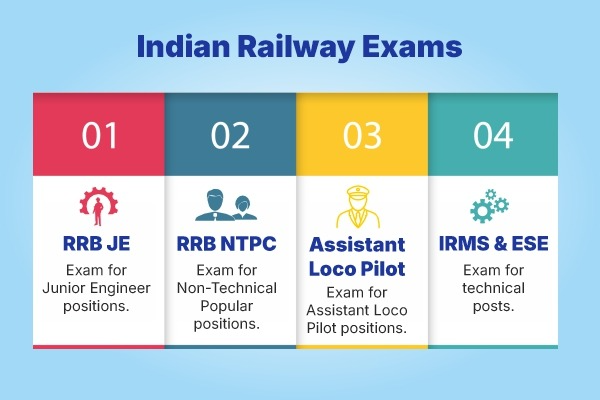
Right after college, many engineers look to the RRB’s Junior Engineer exam as a straightforward start. From civil to electronics, every engineering field finds openings in different rail units. Pay Level 6 comes with it – roughly 44,000 rupees each month when benefits are added. Promotion routes lead straight into higher technical roles over time. Once degree requirements are met, applicants may step in without delay. This route stands out simply because timing works in favor of new grads.
Non-Engineering Graduates
Graduates without an engineering background find solid openings via the Non-Technical Popular Categories hiring drive. Held under one common process, jobs range from entry-level to degree-required roles like Junior Clerk or Accounts Clerk. Commercial cum Ticket Clerk, Traffic Assistant, and several office-based roles also fall into this group. Those who just finished a bachelor’s degree in any field – be it Arts, Science, or Commerce – are eligible for graduate posts. Meanwhile, candidates with only a 12th-grade education can go for lower-tier positions. Different job types mean there is likely something that fits each person’s strengths.
ITI Candidates
Starting fresh from ITI? Routes open up straight into roles like Assistant Loco Pilot or Technician. Not every tech job asks for an engineering diploma – some just want your ITI proof in fields such as Fitter, Electrician, Mechanic, or Electronics. After finishing class 10, landing one of these jobs means work begins fast, pay feels fair. ALP roles even add extra income through regular travel-based payouts.
Group D Openings
Begins at the bottom, some find their way into steady jobs via RRC’s Group D openings. Not just track keepers or helpers, but real posts offering pay level one security. Stability shows up early for those finishing twelfth grade or beyond. Step by step, chances grow through internal tests and training upgrades. Even now, top rail staff recall starting right here. Proof? Effort moves people forward – slow, sure, different each time.
Choosing the Right Fit
Start by looking closely at what you’ve got – degrees, skills, likes, where you want to go. If you studied engineering, think hard: does fixing things day-to-day feel right, or does managing paperwork from an office suit you better? For those who didn’t study engineering, choices pop up in offices, ticket counters, or number-crunching jobs – match these to your school subjects and natural fit. Each path leans on what you already know about yourself.
Tracking Openings and Notifications
Start by digging into details long before you apply. Head over to the official RRB and RRC sites so you know what openings are live or coming up soon. Unlike yearly routines, railway jobs appear only when departments need more hands. For those just beginning, saving each of the 21 RRB pages helps – and turning on alerts keeps news in real time. Fall behind on submission dates, expect a wait that stretches into many months, sometimes even longer.
Exam Structure and Preparation Timeline
Every job exam has its own rhythm. For Junior Engineers, core subjects matter most – expect deep dives into basics. NTPC looks at awareness, math, and thinking skills; harder roles demand sharper answers. Trade know-how shows up in ALP tests along with common topics. Clarity about questions shapes how time gets spent studying.
Ahead of everything else, setting up a study schedule really matters. Usually, those who do well spend between four and eight months getting ready for railway exams. That stretch gives enough time to go over all topics thoroughly, revisit them several times, also work through plenty of sample tests. People applying for the first time ought to begin studying early – well ahead of any official announcement – because every round brings massive crowds chasing limited spots.
Smart Study Approach
Starting strong means getting ready the right way. These railway exams? They’re tough – most people don’t make it past the cut. To stand out, you need a clear plan, not just random reading. Look at what’s been asked before; study old tests closely. Break down the full list of topics early on. Spot which subjects come up again and again. That kind of detail changes outcomes.
-
Technical roles: Starting fresh with old textbooks helps those aiming for Junior Engineer roles. Core topics – say, Strength of Materials or Fluid Mechanics – need real attention, based on your field.
-
Math and awareness: Starting off strong in math helps NTPC hopefuls tackle number basics, percentages, profit and loss, work and time, averages, ratios, interest types, and data reading.
-
Reasoning: Finding answers quickly often depends on how well you think through problems. One thing helps more than anything: doing these again and again.
One thing stands out when getting ready: practice exams matter a lot. Sitting through timed sessions now means less stress later. What matters most? Going over each result slowly, spotting slips, adjusting.
Application Process Step by Step
Getting through the application steps without issues starts when job alerts come out. You apply only on the internet using official RRB or RRC web pages.
-
New applicants begin by signing up and confirming email and phone via OTP.
-
Fill in personal and education details carefully, matching official documents.
-
Choose category and exam center correctly.
-
Upload required documents in the correct size and format.
Fees stay low, differing by category. Hold onto proof of payment and submission confirmation.
Picking an RRB matters more than it first seems – it shapes where you take the test and could affect where you end up working. Once submitted, there’s no going back to adjust your pick.
Selection Stages
Getting through the railway recruitment steps takes time. Each round has its own way of sorting candidates.
-
Computer-based tests: Usually two rounds with negative marking.
-
Fitness tests: Required for roles like Assistant Loco Pilot and some Group D posts.
-
Document verification: Proof of age, education, category, and identity checked strictly.
-
Medical exam: Vision, hearing, heart, and general health assessed.
Clearing one level doesn’t guarantee success ahead. Every phase connects, yet stands apart.
Resources and Support
What helps new candidates most is using what’s already there instead of going it alone.
-
Official RRB websites for notices and past papers
-
Government career portals
-
Online learning platforms and YouTube channels
-
Coaching centers, if chosen carefully
-
Study groups on Telegram, WhatsApp, and forums
Still, too much scrolling pulls attention away from focused learning.
Career Growth After Joining
Right from the start, those who land railway jobs as newcomers step into a setup built on steady advancement.
-
Training periods last twelve to twenty-four months.
-
Promotions come through experience, internal exams, and added qualifications.
-
Staff can keep studying while working, supported by training policies.
-
Retirement brings pensions, lump sums, and healthcare access.
Knowing this support lasts a lifetime adds worth to the job.
Frequently Asked Questions
What is the best railway job for freshers with a non-engineering degree?
NTPC graduate roles like Traffic Assistant or Junior Accounts Assistant offer good pay, office settings, and steady promotions.
From applying to starting work, how much time passes?
Usually ten to sixteen months, depending on exam schedules, results, and verification stages.
Can freshers apply for multiple railway jobs at once?
Yes, if eligible, but each requires a separate application and fee. Exam date clashes must be watched.
What is the starting pay for newcomers?
Group D roles start around 18,000–25,000 rupees per month. NTPC graduate roles offer 20,000–30,000. ALP roles reach 35,000–50,000. Engineers earn around 40,000–50,000, including allowances.
Railway job or private job first?
Private jobs offer quicker entry. Railway jobs demand patience but bring long-term security. Many successful candidates balance both before clearing exams.