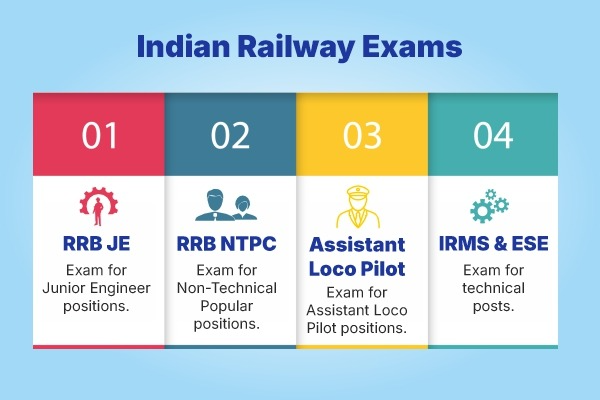
Every year, Indian Railways – among the planet’s most extensive rail systems and India’s top workplace – opens countless jobs via its RRB offices. Picking what kind of role matters more than many think when getting ready for these exams: technical or not. Your pick steers how days feel on the job, where you might rise over time, what shows up in paychecks. It sets direction inside one of the nation’s most respected public institutions.
When applying through RRB forms, knowing how these two types differ really matters. Not expertise but experience with rail systems defines technical jobs. Office work, ticketing, travel support shape the non-tech side. One leans into machinery, the other into managing people and processes. Growth paths split sharply across this divide. Outcomes depend heavily on where you fit best.
Technical Railway Jobs: Nature of Work

Working on trains and tracks in India means handling engines, signals, tools, or structures – most roles ask for an engineering background. These jobs might have you checking locomotives, fixing gear, managing power lines, or overseeing rail safety systems. Some titles are ALP, Technician at different levels, JE, and SSE. Each fits under branches such as Mechanical, Electrical, Signal and Telecommunication, or Civil.
People in these posts stay close to machinery, rails, circuits, or support frameworks. One moment you could be testing brakes, next day aligning electronic controls. Every role links directly to keeping railways running through hands-on tasks.
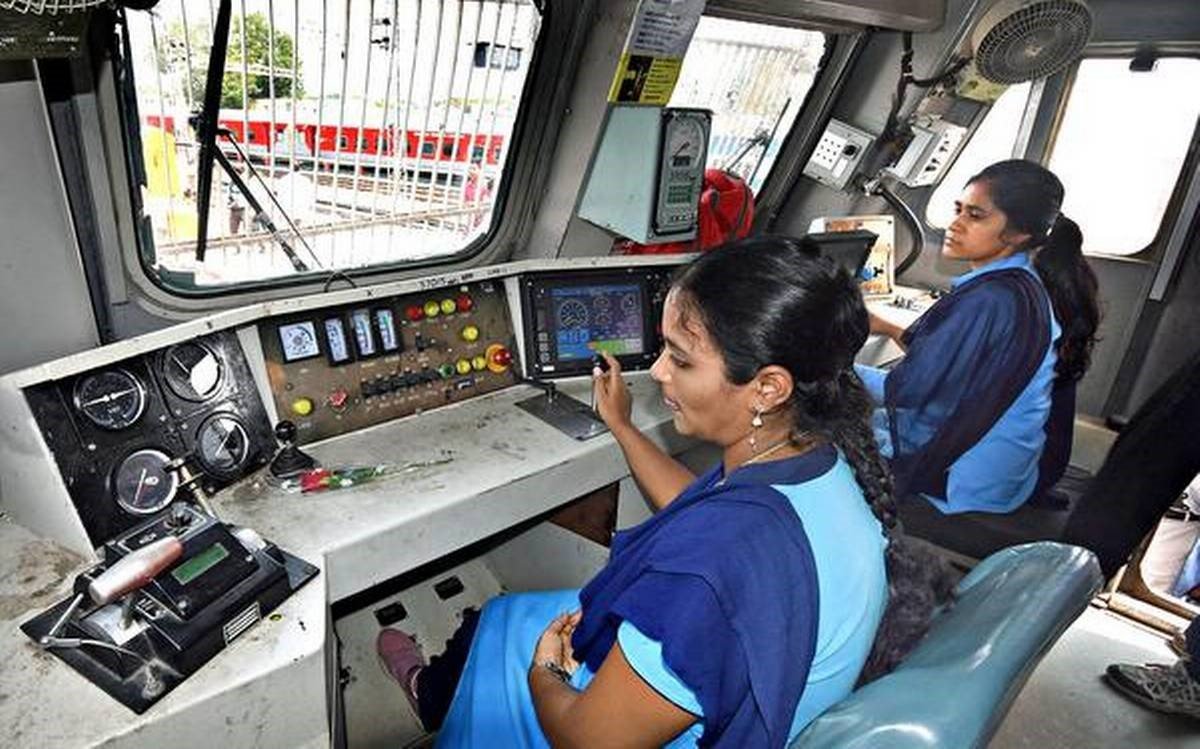
A train’s second-in-command? That is what an Assistant Loco Pilot does. Moving right beside the main pilot, they help run the engine, start by inspecting every part before leaving, then keep watch on instruments while rolling down the line. Keeping everyone onboard safe stays their top priority throughout.
Step up after a few years and that role shifts into lead pilot – bigger pay, extra benefits included. On another path, some choose fixing things instead: signals, rails, carriages, wiring – all need constant care. These technicians blend hands-on know-how with lessons learned in classrooms, staying sharp for breakdowns or wear.
Technical Eligibility, Exams, and Growth

Starting off, schools must back up job needs when it comes to hiring for tech roles. A junior engineer? That spot calls for either a diploma or full degree – think mechanical, electrical, electronics, civil – from approved colleges only.
Moving on, those chasing an ALP role have to bring an ITI certificate tied to their trade, plus meet extra study rules. When test time arrives, the RRB rolls out computer exams packed with deep engineering basics, so studying means diving into sharp, focused detail. Last thing: skipping prep won’t work here.
Starting out, technicians move up by taking tests within their departments. From there, junior engineers shift into roles like senior section engineer or assistant engineer. Step by step, they climb toward jobs at division and zone levels.
With each jump, pay grades rise – thanks to the 7th Pay Commission rules. Extra benefits come too, along with heavier workloads. Years of hands-on know-how turn these pros into key players across rail systems. Some top out as chief engineers; others become general managers.
Non-Technical Railway Jobs: Scope and Roles

What most people don’t realize is how many jobs Indian Railways offers without needing an engineering degree. These roles make up the biggest chunk of employment within the system. From handling tickets to managing freight, the work spans several areas.
A Ticket Collector checks passenger tickets on trains. Training future staff falls under the Commercial Apprentice role. Overseeing cargo transport is part of what a Goods Guard does. Someone running station operations day-to-day might be a Station Master. Paperwork and customer service often come together for Commercial Clerks. Tracking expenses and payments happens through Accounts Clerks. Senior Clerks take on more responsibility in office workflows.
Starting out as a Ticket Collector is still among the top ways people join Indian Railways. While trains are moving between stops, these officers go through carriages checking if travelers have valid tickets. Over time, some take charge of bigger duties after proving their reliability.
Handling payments and helping riders with basic needs also falls under what they do. Advancement may lead them to roles like Chief Ticket Inspector, later even reaching Commercial Inspector.
A different path opens up for those who manage platforms and arrivals – that work belongs to Station Masters. Their day involves watching signals, guiding drivers safely, talking regularly with dispatch teams. Staff schedules, emergency steps, daily coordination – all pass through their hands.
Non-Technical Eligibility and Advancement
A different route opens up when it comes to schooling for jobs that aren’t technical – rules bend a little here. Passing 10+2 might be enough for some openings, though others ask for a full college degree, no matter the subject.
Those who studied commerce could get ahead when aiming at account-based work. Anyone, regardless of major, gets a chance at clerk or service-oriented roles.
Questions on the RRB test for these posts cover wide ground: general knowledge, math, logic puzzles, basic science – not deep, just broad.
Finding growth in non-technical jobs opens several doors. From clerk to Senior Clerk, then moving up toward Head Clerk, people climb step by step within their teams. Moving beyond that, some take on oversight duties right where they work.
Workers in these areas might study further while employed. Special exams called LDCEs open entry points to officer-level posts. Determined individuals often use them as springboards into top administrative levels across Indian Railways.
Pay, Allowances, and Benefits
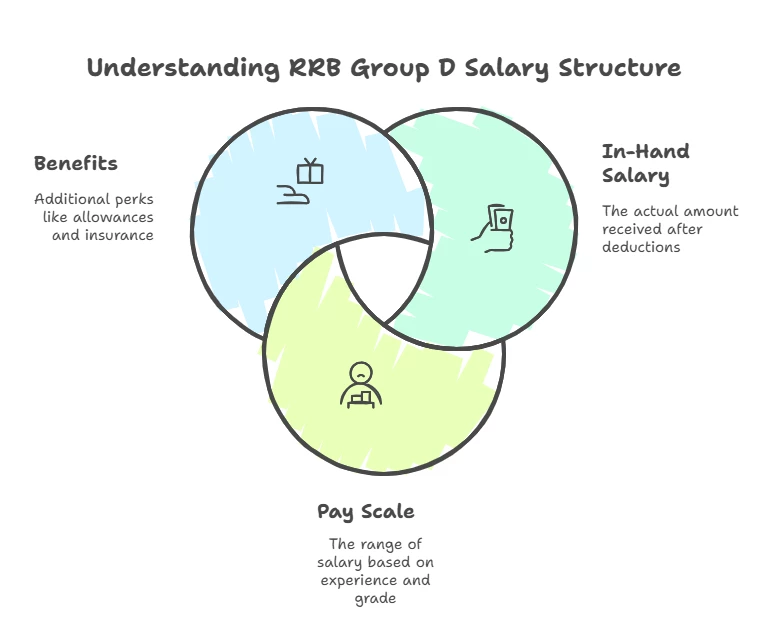
Government jobs on the railways come with steady work, health care, pensions, housing help, plus long-term stability – true for both office staff and engineering teams. Still, how much they earn varies a lot depending on role, rank, assigned pay level, and extra payments tied to duties or location.
A fresh role in tech usually pays more than a beginner job outside of it. Right off the start, an Assistant Loco Pilot lands on Pay Level 2 as per the 7th Pay Commission – add in solid running allowances, and what hits the bank is almost twice the base amount.
Junior Engineers step into Pay Level 6, pulling ahead with stronger foundational pay plus extra cash tagged for technical work. Meanwhile, Technicians begin at Pay Level 5, giving them a head start when it comes to earning within the system.
Starting out, jobs that do not involve technical work usually pay less. Ticket Collectors along with Commercial Apprentices fall into Pay Level 2, matching ALPs yet missing extra payments for operating duties. Clerks enter at Pay Level 2 while Station Masters step in at Pay Level 6.
As time passes and people move up, the difference shrinks. Senior roles in areas like finance, staffing, or business operations often catch up, earning about the same as those in technical fields when both hit top tiers.
Work Conditions, Lifestyle, and Fulfillment
Some days feel long depending on whether you’re fixing signals or managing schedules – each role brings its own rhythm. One person might spend hours outdoors checking tracks, while another reviews reports inside an office.
Early mornings or late nights – common for those driving trains across states. Machines demand attention whether indoors or out in wind. Nights pass while engines roll through darkened countryside.
Some jobs away from engineering tasks bring steadier routines, even if roles such as Ticket Collectors or Station Masters demand rotating shifts. Office-based workers in finance or administration usually follow a nine-to-five pattern across regional hubs.
Fulfillment looks different for everyone. Getting deep into problems tends to engage those working with machinery. People in offices often feel rewarded through helping clients, organizing tasks smoothly, or tackling complex financial details.
Choosing the Right Path

Picking what fits best for tomorrow means weighing personal skills against passions. One route isn’t clearly better than the other – what matters is how well it matches who you are.
Starting out with an engineering degree or ITI certificate? Try roles where fixing real problems matters more than office routines. Choose roles outside tech when your background isn’t engineering, you like working in offices, handling paperwork matters to you.
Success in Indian Railways shows up most when effort matters more than labels. What counts is matching your strengths to what you truly want. Clear thinking about skills, passion, purpose – that shapes the real choice.
Frequently Asked Questions
Money leans toward jobs using trained ability on trains, not tasks anyone can do.
Early in tech jobs, the money climbs fast, usually boosted by extras that come without delay. Right away, those who run trains see their income rise sharply as Assistant Loco Pilots. Starting at Level 6, Junior Engineers bring skills that gather small advantages over time. Roles like Ticket Collectors or Clerks begin lower when there is no technical link to lift them higher. Later on, workers handling paperwork, money tasks, or daily running might reach similar pay levels to tech roles. The key isn’t your starting spot but how much you advance later. Money outcomes hinge more on growth than initial position.
Moving directly into technical roles from non-technical ones within Indian Railways rarely works out.
The reason lies in how differently these positions are structured. Getting into technical jobs usually means finishing some kind of structured learning – think college degrees, diplomas, or trade school certificates. Even so, after landing work, fresh chances pop up through current RRB announcements that let you step in. Advancing without touching tech roles? That works too. A few people rise higher by passing LDCE exams aimed at IRAS or IRTS positions. You won’t need to know circuits or code for these routes, still they lead somewhere wide.
Which position stands firmer within Indian Railways?
Stability doesn’t hinge on whether you’re hands-deep in code or far from it – support from policy holds everyone steady. Firing someone? Rare, unless boundaries get crossed hard. Technical expertise earned over decades might offer a sliver of extra protection. Yet once you’ve shown up capable in those first few years, security settles in nearly identical ways no matter where you sit. As clocks tick toward sixty and responsibilities fade, benefits such as healthcare and retirement payments continue without split between departments.
Could RRB exams seem easier depending on whether the job is hands-on tech work or not?
Maybe it comes down to how someone thinks, rather than the role type. Your journey depends on what you learned and where your strengths sit. Because of this, technical exams may seem like old ground – shaped around subjects a graduate has seen. When schooling lacks those parts, the content can appear hard to follow. Attendance stays low since just qualified candidates get invited. What shows up on test day ties back to who gets through the door. Now picture this: just having any degree lets you take standard tests. This chance pulls in more people – way more than before. Thousands chase one opening, so being noticed feels like shouting into wind. If what you studied lines up with exam topics, progress comes easier. Mismatched knowledge? Then paths shrink whether you want them to or not.
Which leaves you with extra hours in the day: working directly on rails or sitting at a desk job?
Home by five? Often depends less on which team you join and more on what your role truly asks. Junior Engineers stuck in offices tend to leave when clocks hit evening, while Assistant Loco Pilots face schedules that shift without warning, keeping them away for days. Desk clerks move through tasks like clockwork; meanwhile, Ticket Collectors and Station Masters juggle rotating hours that twist daily rhythms. Predictability lives mostly within four walls of an office – no matter the division. Outside those rooms, duties stretch into nights, early mornings, whenever trains roll.
Train system operators – do these workers get more respect compared to others on the rail lines?
Not every position gets treated differently just because of where it sits in the rail hierarchy. What stands out about tech workers is deep knowledge – think train operators or engineers fixing complex systems. Station managers earn their place through control, overseeing schedules and calling important shots each day. Respect tends to grow from years spent doing the work, level of responsibility, or sharpness at the craft, not if your hands touch rails or files. Roles high up bring influence regardless of which path led there.
Who climbs quickest through ranks on Indian Railways?
One route lays out steps clearly – testing within departments, years spent on the job, performance in daily tasks. Moving up for engineers depends heavily on know-how with tools and systems, while different paths favor those managing paperwork, budgets, or vehicle fleets. Speed of progress links closely to individual output, available positions popping up, exam success – none of it strictly tied to being hands-on with tech. The highest tier, Group A roles, opens equally through LDCE chances. Fresh recruitment waves and role expansions today create access regardless of starting point.
Can arts graduates apply for railway technical jobs?
Few people holding an arts diploma land directly in technical roles at Indian Railways. Becoming a Junior Engineer requires formal education in areas like Mechanical, Civil, or Electronics – degrees matter here. For Assistant Loco Pilot posts, ITI certification shows up as essential, along with specific school-level marks. Still, graduates from humanities streams aren’t left out completely. Jobs such as Clerk, Ticket Collector, or Commercial Apprentice open up during NTPC announcements – these sit outside engineering tracks. Anyone aiming for technical work could shift course later by picking up an engineering credential – or finish ITI programs – and reapply once fresh postings arrive.