

Prepare for Government Jobs in India Step by Step
Success in India’s government job tests isn’t about how fast you start, yet how steady your steps are. Thousands try each year; very few make it through. What sets apart the ones who pass? Not raw talent – more like daily choices adding up. Clear goals help. So does routine. Execution matters more than knowing facts. A smart plan beats last-minute effort every time.
Begging the journey with zero direction? This plan lays out clear steps for Indians aiming at public sector roles. Not magic tricks – just honest structure shaped by real test needs. Skip the noise. Follow what works. Done.
Understanding Government Jobs in India
Jobs run by the country’s administration form a big part of work options across India. Workers get hired into positions managed by national agencies, regional authorities, state-owned businesses, or official bodies. Hiring follows clear steps, often involving exams or screenings set by authorized groups. People usually see these posts as steady, with predictable growth over time. Stability and fixed routines draw many toward such careers.
Competitive exams run by different agencies fill these roles, every one bringing distinct qualifications, study topics, test phases. Each path varies slightly – rules shift, content changes, steps differ across boards.
Finding your way through government roles gets easier once you see how they’re grouped. Spotting these types early sharpens where you look.
Types of Government Jobs
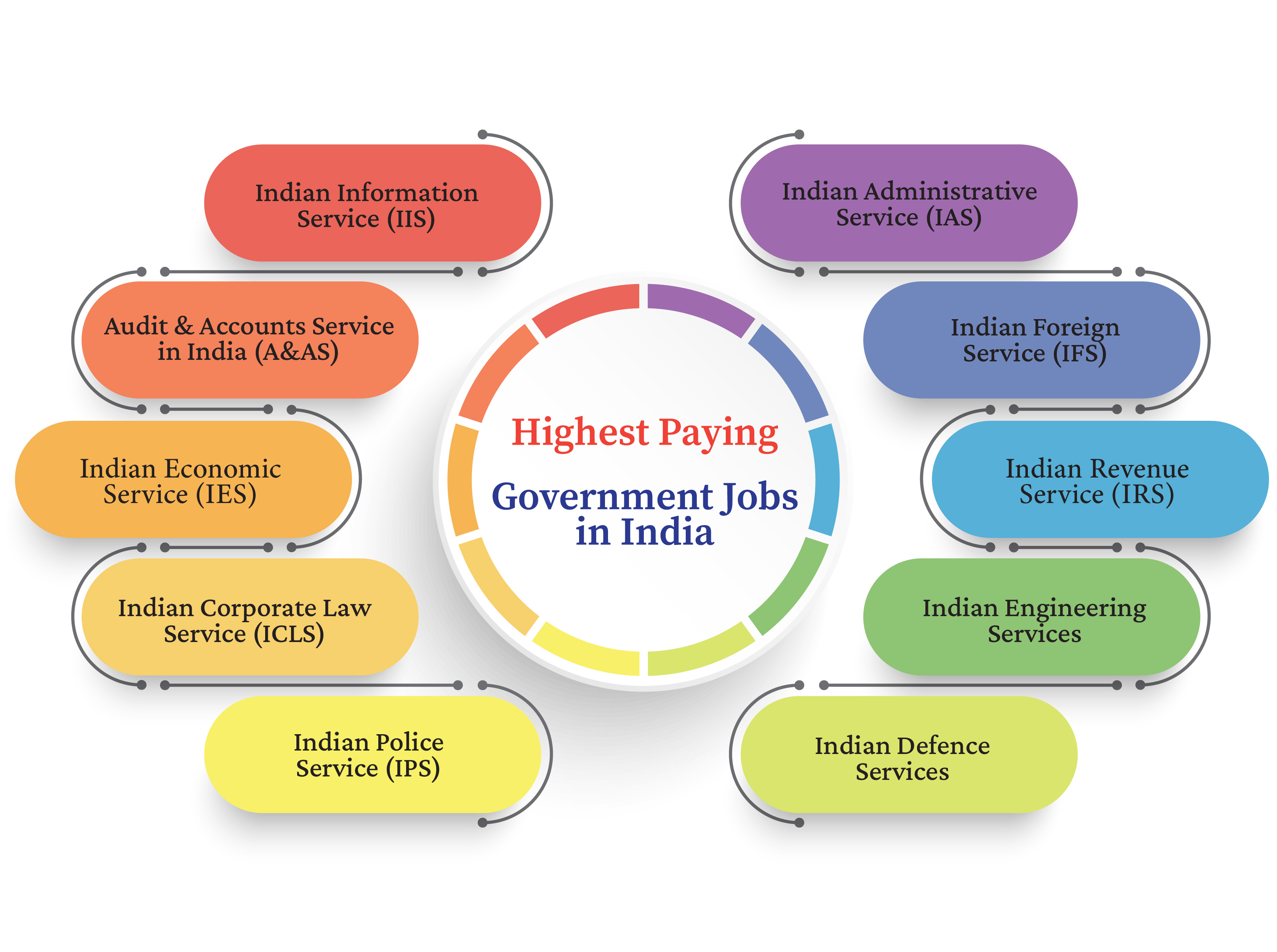
Starting off, central government roles include ministries, various departments, and national level organizations.
Moving on, state-level jobs cover things like state public service commissions and local administrative units.
On another note, banking and insurance openings appear within publicly owned financial institutions.
Then again, railways offer positions both in technical fields and general administration.
Not far behind, defense services involve branches such as Army, Navy, and Air Force.
Meanwhile, teaching opportunities exist across government-run schools and higher education centers.
Elsewhere, public sector units operate in areas like energy, building projects, and industrial production.
With each group needing its own study plan, mixing strategies can bring confusion. Trying to tackle every path together tends to spread effort too thin.
Step One: Choose One Exam First

Begin by picking one test that fits who you are. Going nowhere fast happens when you sign up for every option without thinking. Instead, narrow it down early.
Picking a test? Think it through first:
-
Your educational qualification
-
Age eligibility and relaxation rules
-
What you’re good at might include numbers, thinking things through, knowing stuff about the world, or working well with words
-
Each day holds a certain amount of time set aside for getting ready
Start smart when just beginning. Pick a single main test to focus on. Choose that one first, then build from there.
Picking a second test that shares topics makes sense. That way, studying once covers both. One book fits two purposes. Less effort, same result. Time spent counts double. Focus stays sharp on familiar ground.
Focusing better happens when rest is built in, so exhaustion never takes hold.
Step Two: Understand the Exam Pattern and Syllabus
FOR EXAMPLE SSC EXAM
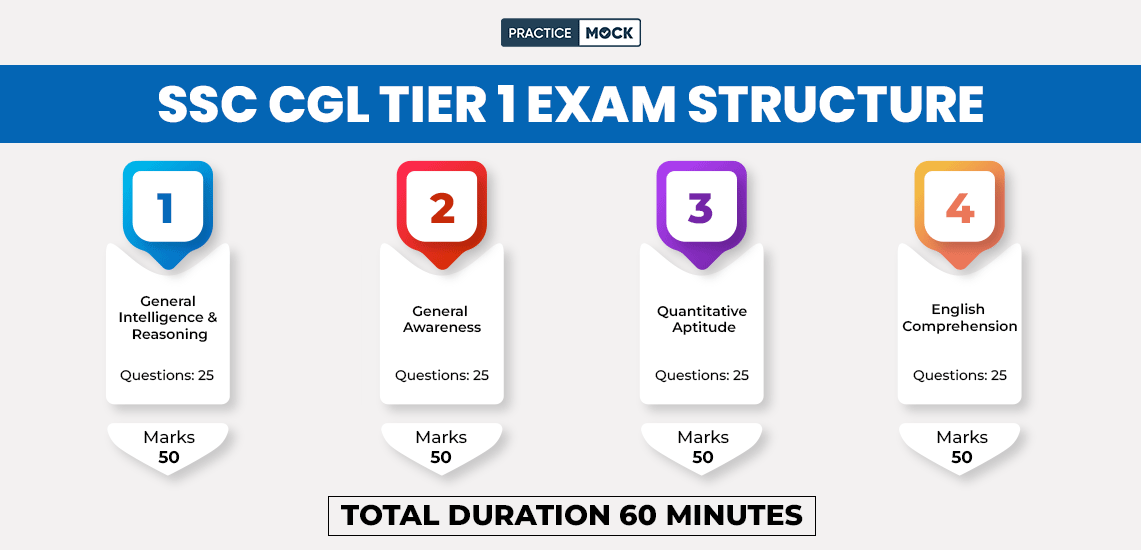
Start by getting familiar with how the test is set up. Each public sector exam has its own structure. Skip this step, energy goes nowhere. Know what topics are included. A clear view of the syllabus sharpens focus. Overlook it, preparation loses direction.
You should clearly know:
-
Stages involved: Preliminary exam comes first. Following that is the Main examination. After clearing those, an interview takes place. Some positions include a separate test to check practical abilities
-
Subjects included
-
Marks distribution
-
Negative marking rules
-
Qualifying vs merit sections
What matters most is sticking to the syllabus released by the hiring authority. That document shapes everything you need to cover. It draws the line around your study plan.
Step Three: Build a Daily Study Routine
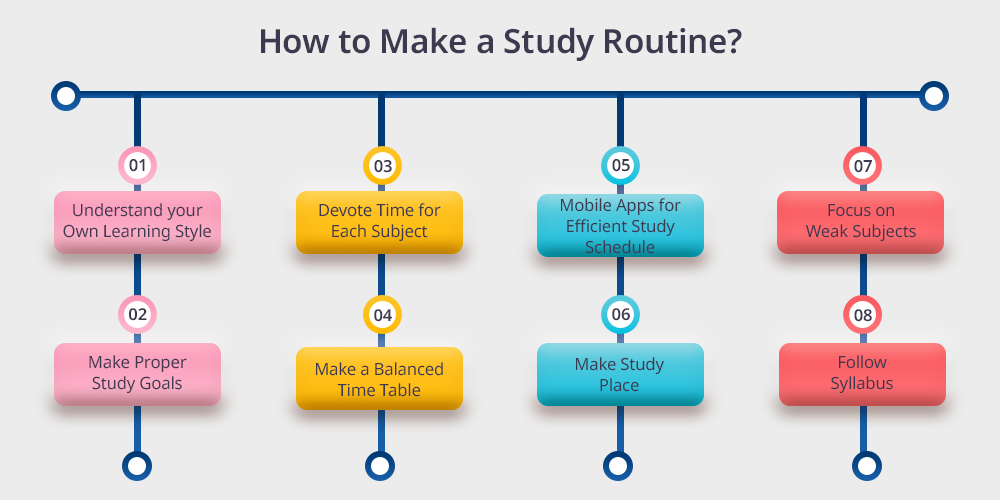
Three comes next: build a study routine that fits your real life. It needs to last weeks, maybe even longer. Stick to something doable every single day.
Daily study plan for beginners:
-
4–6 focused hours per day
-
Divide time into:
-
Concept learning
-
Practice questions
-
Revision
-
Each week, set aside one or two days to go over what you have learned again.
One thing is clear – there needs to be a full practice run. Sometimes it helps to break things down into smaller parts first.
-
Analysis of weak areas
Just because someone else works nonstop does not mean you should too. What counts is showing up regularly, not piling on time.
Step Four: Choose Limited and Trusted Study Material

Fourth comes picking just a few trusted study materials. Grabbing every textbook around tends to trip up learners more than help them.
Ideal resource rule:
-
One standard book per subject
-
Previous year question papers
-
Practice exams you can trust come from solid providers
Going over the same few pages again beats skimming many different ones just one time.
Step Five: Solve Previous Year Question Papers Early
Start solving past exam papers sooner rather than later. Completing every topic first isn’t required – jump in while learning. Working through old questions builds familiarity. It shows how concepts are tested over time.
Confidence grows when you see patterns emerge. Timing yourself helps adjust pace gradually. Mistakes become clear this way. Learning happens even if answers feel shaky at first. The process matters more than perfect results early on. Keep going despite gaps in knowledge. Progress comes step by step.
Previous year papers help you:
-
Understand question trends
-
Identify important topics
-
Learn time management
-
Avoid over-preparing irrelevant areas
Fumbling through just a piece of it early on sharpens your sense of what the test really asks.
Step Six: Revision Is Non-Negotiable

Sixth comes revision – skip it, and recall falters when under pressure. Exams shaped by officials demand sharp facts, clear thinking, every time.
Effective revision methods:
-
Short notes
-
Weekly recap sessions
-
Monthly full-syllabus revision
-
Error notebooks for repeated mistakes
Over time, solid planning loses strength if untouched.
Step Seven: Take Mock Tests and Analyze Them

Practice exams test more than your score. They show where you struggle, reveal patterns in mistakes, help adjust timing. Each attempt highlights gaps knowledge hides.
Review every answer, right or wrong, to see thinking behind choices. Mistakes point directly at weak spots needing attention. Learn from each round like it teaches one clear lesson. Growth comes not from finishing but understanding why things went wrong.
After every mock:
-
Identify weak sections
-
Track recurring mistakes
-
Shift where you aim your attention while studying
Your first practice test score does not lock in your outcome. What counts is how you grow over time.
Step Eight: Track Official Notifications Carefully

Last thing – keep an eye on alerts. Skipping a form or deadline might cost you heaps of time already spent.
Track:
-
Official notifications
-
Application deadlines
-
Admit cards
-
Exam schedules
Check facts by going straight to government pages instead of sharing posts from friends online.
Mindset for Long-Term Government Job Preparation

Focusing on government job prep means sticking with it through ups and downs. The path takes time, patience shows up more than speed.
Key mindset rules:
-
Avoid constant comparison
-
Rumors spread fast, yet truth moves slow. Fake paths promise quick wins but lead nowhere useful. Stay focused on what actually works instead
-
Accept setbacks as part of the process
-
Finding calm takes time, yet staying steady helps. A clear mind grows when routine holds strong
-
Failing once never means the journey ends. Some find success only after several tries. Not every path leads straight to victory. Repeating an exam can simply be part of progress
Final Thoughts
Starting fresh can seem tough when aiming for a government job in India, yet clear steps help. One step at a time matters more than rushing ahead. Staying on track day after day builds progress slowly. Success comes not from tricks, but from showing up each morning. Effort that lasts wins where speed fails.
Frequently Asked Questions
What’s the usual timeline for getting ready to apply for public sector roles if starting fresh?
A few months might be enough for some, yet many starting out spend closer to a year getting ready. When tests come in parts, the timeline often stretches beyond that.
Can I prepare for government jobs while working or studying?
True. Some manage it well when they stick to a clear routine, spending three to four solid hours each day on prep while handling jobs or classes.
Is coaching necessary for government exam preparation?
Far from required – coaching doesn’t decide results. Some pass just by using textbooks, staying consistent, yet studying alone. Success often comes without it.
What’s a good amount of time to spend studying each day?
Most folks get by without strict schedules – four to six solid hours, including review and drills, work well at first. What matters most shows up when you stay consistent.
What if you studied for more than one government test at the same time?
Only if the tests cover much the same topics can that work. Newcomers do best starting with a single target, another held lightly behind it.
Are government exams becoming tougher every year?
More people are applying, so it’s tougher now, yet the test format hasn’t changed much. Good study methods continue to pay off.